Crate training for puppies is one of the fastest ways to build good house manners. It also gives your puppy a safe, cozy space to call home. In fact, most puppies take to it within a couple of weeks. This guide covers picking the right crate, setting it up, and handling those first nights.
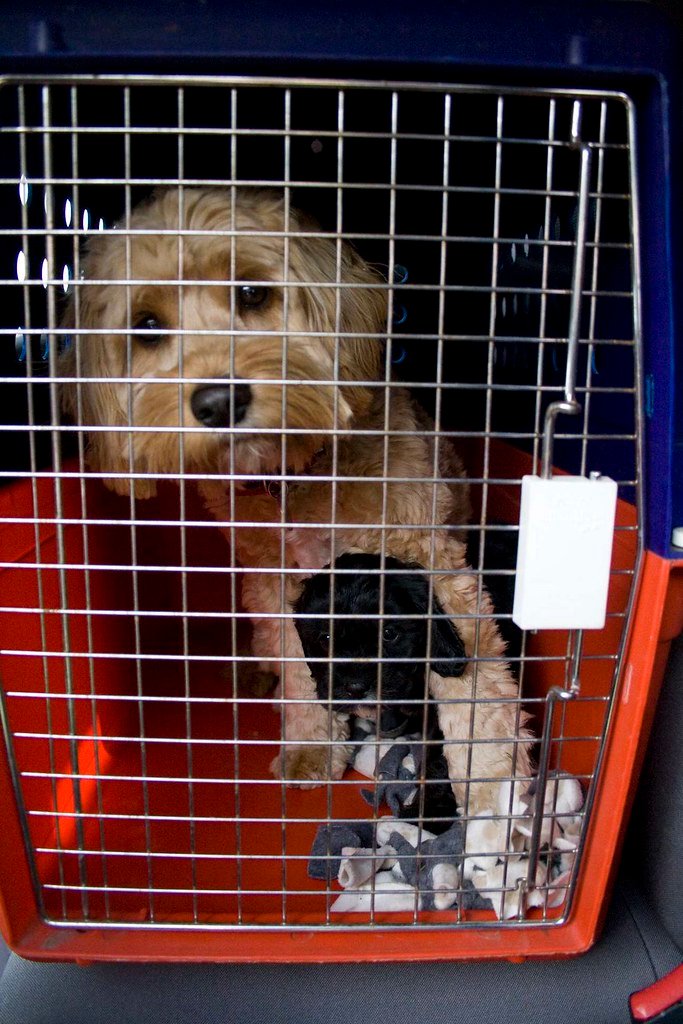
Why Crate Training for Puppies Works So Well
Dogs are den animals by nature. A crate, done right, feels like a safe den, not a cage. Your puppy isn’t being punished. She’s just getting her own space.
A crate also speeds up house training. Puppies avoid soiling the spot where they sleep. Because of this, a crate builds bladder control fast. On top of that, it keeps her safe from chewing hazards.
Here’s the thing: crate training only works with positive reinforcement. Never use the crate as punishment. That one rule matters more than any other.
Meanwhile, a crate gives you peace of mind, too. You can shower or answer the door without worry. Over time, most dogs nap in their open crate by choice. A crate also makes travel easier down the road, since vet visits and road trips often require one. Ultimately, that early comfort pays off in a calmer, more confident dog.
This den instinct traces back to wild canine ancestors, who denned to rest and raise pups safely. Your puppy still carries that instinct today. So, a crate simply taps into something she already understands.
A crate also curbs destructive chewing during the teething months. Puppies chew everything from shoes to furniture legs. Because of this, a safe crate space protects both your belongings and her health. Some chewed items can even cause dangerous blockages.
Think of the crate as one tool among many, not a stand-alone fix. It works best alongside a consistent potty schedule and daily exercise. That said, no tool replaces a puppy’s need for attention and play.
Many new owners worry the crate feels cold or clinical. In reality, most puppies find comfort in its small, enclosed shape. For instance, denning instincts favor tight, sheltered spaces over big open ones.
Setting Up the Crate for Success
Size matters more than most owners expect. Your puppy should be able to stand and turn around. She should also be able to lie down flat. That said, the crate shouldn’t be too big. A too-roomy crate lets her potty in one corner and sleep dry in another. However, avoid crates with sharp edges or flimsy latches.
Picking the Right Crate Material
Wire crates offer the best airflow and fold flat for travel. Plastic crates feel more den-like and suit anxious pups well. Soft-sided crates are light, but they’re not great for heavy chewers. For instance, a determined chewer might destroy a soft crate in one afternoon. Pick the style that fits your puppy’s personality.
So, many crates come with a divider panel. You can adjust the space as she grows. This saves you from buying a new crate later.
As a rule of thumb, size the crate for her expected adult weight, not her current size. For example, toy breeds typically need an 18 to 24 inch crate. Medium breeds often need around 30 inches, while large breeds may need 42 inches or more.
Bedding matters, too. Choose a washable pad or blanket, since accidents happen during the learning phase. So, avoid anything with loose strings or stuffing she could chew and swallow.
Location matters, too. Put the crate in your family’s main living space. Avoid a lonely spare room. Dogs are social, so isolation can feel like punishment. In fact, a blanket, a safe toy, and your worn shirt all help.
For younger puppies, check our puppy vaccination schedule guide, too. Young pups are more vulnerable to illness early on. Generally speaking, a well-set-up crate becomes her favorite spot fast. Some owners keep a second crate in the bedroom for nighttime. The main crate then stays in a living area for the day. Even so, keep the setup consistent and familiar during the first week or two.
A Step-by-Step Plan to Start Crate Training
Start slow. Rushing is the top reason crate training fails. First, toss treats near the open crate door. Let your puppy explore on her own terms.
Next, feed meals inside the crate with the door open. This builds a strong, positive association fast. Then, once she’s comfortable, close the door for short stretches. Stay in the room while you do this.
After that, stretch the alone time out slowly. Leave the room for a minute. Come back before she starts to fuss. So, increase the time gradually over several days. In other words, consistency beats speed every time.
- Let your puppy sniff and enter the crate freely at first.
- Feed every meal inside the crate for the first week.
- Add a cue word like “kennel up” with a treat.
- Close the door for a few seconds, then build up slowly.
- Never let her out while whining, or she’ll learn noise works.
Most puppies move through three rough stages. In the first few days, she’s just getting used to the crate itself. By the first week, she should tolerate short, closed-door stretches calmly. After that, most pups handle several hours alone within three to four weeks.
If she stalls at any stage, back up a step. For example, if closing the door causes panic, reopen it and return to feeding meals inside with the door open. There’s no rush here; every puppy moves at her own speed.
A small training log can help, too. Then, note how long she stayed calm each session. That way, it’s easy to spot progress, even on slow days.
This same approach shows up in our recall training for dogs guide. Small, steady wins build lasting habits. Just like leash pulling in dogs, patience beats quick fixes every time.
Nighttime Whining and How Long a Crate Stay Should Last
The first few nights are usually the hardest. Your puppy has never slept away from her littermates. So, some whining is normal at first. Keeping the crate near your bed can help her settle.
However, don’t rush in the second she makes a sound. Wait for a brief pause first. Then let her out calmly. This teaches her that quiet, not noise, gets her free.
During the first week, expect at least one nighttime potty break for very young puppies. First, take her out quietly, without playtime or extra fuss. Then settle her right back in the crate afterward.
As she grows, you can gradually move the crate farther from your bed. Do this slowly, over several nights, rather than all at once. Generally speaking, puppies handle change better in small steps.
If the whining turns into real distress, it may be more than adjustment. It’s worth reading up on separation anxiety in dogs to rule that out.
Generally speaking, puppies can hold their bladder about one hour per month of age, plus one. A two-month-old puppy can usually manage around three hours. Even so, no puppy should be crated more than five hours at a stretch. Puppies under ten weeks old need extra patience and shorter stretches. Their bladders and their emotions are both still developing fast. But, if you’re ever unsure whether a stretch is too long, ask your veterinarian.
When morning comes, let her out and head straight outside for a potty break. Avoid stopping for pets or play first, since this can reinforce the wrong priority. Keep mornings calm and predictable, just like the rest of the routine.
Some families use a baby monitor to check on a whining puppy without hovering. This way, you can judge whether she’s truly distressed or just settling in. Either way, staying calm yourself helps her feel calm, too.
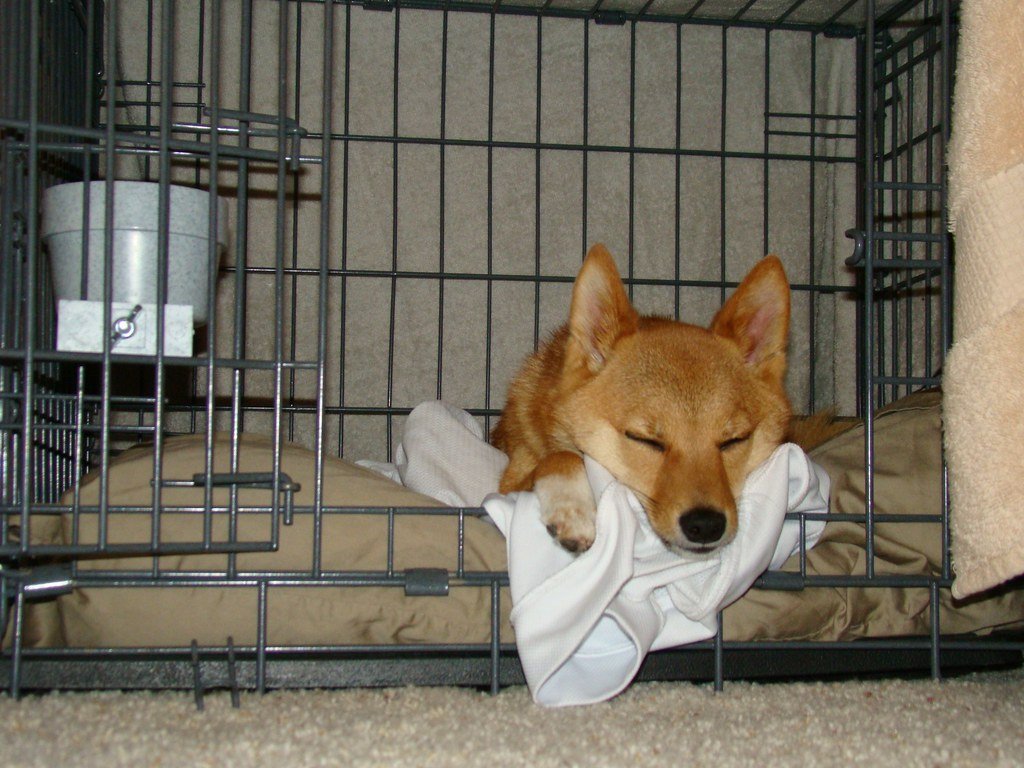
Common Mistakes
Even the most well-meaning owners slip up here. For example, these are the mistakes we see most often.
- Using the crate as punishment teaches her to fear it.
- As a result, leaving her crated too long between breaks causes accidents.
- Letting her out the moment she whines rewards the noise instead of calm.
- Because of this, skipping the slow introduction often leads to setbacks.
- A crate that’s too large lets her potty in one end and stay dry in the other.
- Forgetting to potty your puppy right before crate time sets her up to fail.
Expert Tips
A few small habits make a big difference. For instance, try these expert-backed tips.
- Cover three sides of the crate with a light blanket for a calming, den-like feel.
- Freeze a stuffed food toy for alone time; it keeps her busy and builds good feelings.
- Keep first sessions short. Even five calm minutes counts as a real win.
- So, stick to a consistent daily routine, since predictable schedules help her settle faster.
- That said, praise calm, quiet moments inside the crate, not just the second she comes out.
- Leave the crate door open during the day so it stays a neutral, welcoming space.
Frequently Asked Questions
How long does crate training take for a puppy?
Most puppies adjust within two to four weeks with steady practice. That said, every dog learns at her own pace.
Should I cover the crate at night?
Covering three sides with a breathable blanket often helps. It feels more den-like to her. For example, a light cotton cover works well in summer. However, make sure air flows freely and it isn’t a chewing hazard.
Is it cruel to crate train a puppy?
No, not when it’s done with positive reinforcement and reasonable limits. In fact, most vets see a crate as a helpful tool, not a cruel one.
What if my puppy cries all night in the crate?
Some fussing the first few nights is normal. However, constant, distressed crying may mean you need a slower approach. Scale back to shorter sessions and check with your vet if it continues.
Summary
Crate training for puppies takes patience, but it pays off. Start slow and keep every experience positive. Even so, resist the urge to rush the process. Before long, the crate will feel like home base, not punishment. Ultimately, consistency, more than anything else, gets you there.
References
PawLife is written and edited by a dog owner who researches every topic using veterinary and canine-behavior sources (AKC, AVMA, ASPCA) before publishing. We are not veterinarians — this article is for general information only and is not a substitute for professional veterinary advice. Always consult your vet about your dog's specific health or behavior needs. Learn more about us.