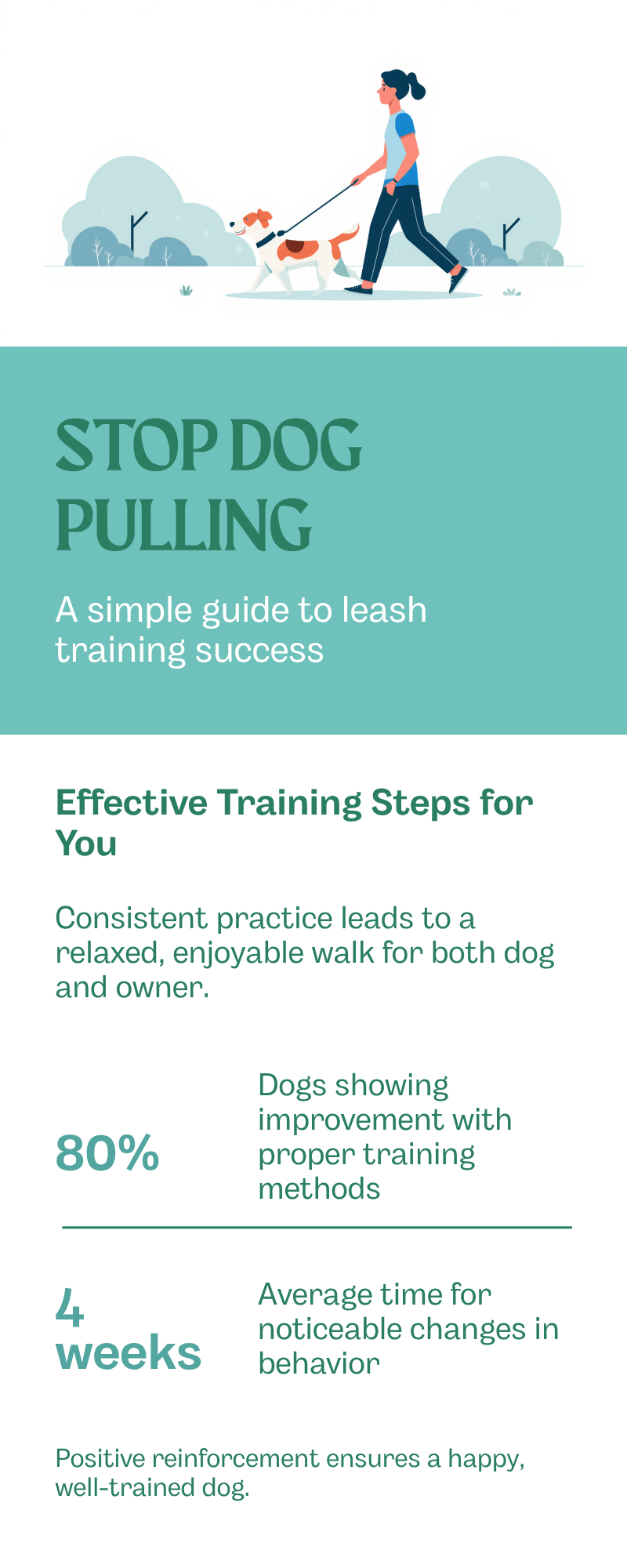
Leash pulling in dogs is the most common walking complaint dog owners have, and the good news is it’s fixable. Maybe your arm feels sore after every walk. Or maybe you just dread clipping on the leash because you know what’s coming.
Here’s the thing: you’re not alone in this. In fact, most dogs pull simply because nobody taught them a better way to walk. Once you understand why it happens, fixing it gets a lot easier.
Why Dogs Pull on the Leash
Dogs are naturally faster walkers than we are. Their legs are built for trotting, not strolling. So, when you walk at a human pace, your dog often surges ahead without thinking.
There’s also a simple reason pulling keeps happening: it works. Your dog pulls, gets closer to that exciting smell, and learns pulling gets results. As a result, the behavior sticks around because it keeps paying off.
On top of that, plenty of dogs simply haven’t been taught what a loose leash feels like. Nobody showed them the alternative. In other words, that’s not stubbornness, it’s just missing training.
How to Stop Leash Pulling in Dogs
The core idea behind fixing leash pulling in dogs is simple. Reward the leash staying loose, and stop moving when it goes tight. Dogs repeat what gets rewarded. Because of this, if pulling stops the walk and a loose leash keeps it moving, your dog learns fast.
Step 1: Start in a Boring Spot
Begin training somewhere low-distraction, like your living room or backyard. Fewer smells and sounds mean your dog can actually focus on you. As a result, the first few sessions go much easier.
Step 2: Stop the Second the Leash Goes Tight
The moment your dog pulls ahead, plant your feet and stop. Don’t yank the leash or say anything harsh. Then wait, calm and still, until your dog turns back toward you.
Step 3: Reward the Loose Leash
The moment your dog glances back, mark it with a cheerful “yes” and a small treat. Then keep walking, since the walk itself becomes part of the reward. Over time, your dog learns that checking in is what keeps things moving.
Step 4: Add Distractions Slowly
Once your dog gets the hang of it indoors, practice in the yard. Then try a quiet street, and later a busier one. Generally speaking, dogs need this gradual buildup to succeed.
Tip: Keep training walks short at first, five to ten minutes is plenty. A tired, frustrated dog learns far less than a fresh one.
Gear That Actually Helps
The right equipment won’t fix pulling on its own, but it does make training easier. For instance, a front-clip harness gently steers your dog sideways when they pull. That makes lunging forward less rewarding.
Meanwhile, a standard four to six foot leash gives you more control than a retractable one. Retractable leashes actually teach pulling, since tension is what makes them extend. A front-clip harness works well for steady pullers on everyday walks, but needs a proper fit to avoid chafing. A standard flat collar suits dogs who already walk politely, though it can strain the neck if a dog lunges. A head halter offers extra guidance for strong dogs, but requires a slow, positive introduction. Retractable leashes are not recommended for pulling dogs, since they often reinforce the exact behavior you’re trying to stop.
If you’re also working on other skills, our guide to recall training for dogs pairs nicely with this. In fact, both rely on the same reward-based approach.
Building the Habit Long-Term
Consistency matters more than any single session. Because of this, it helps if everyone who walks your dog uses the same rules. No exceptions for grandma’s walks.
Puppies benefit from starting leash manners early, right alongside other basics. For example, our post on stopping puppy biting covers the same gentle, reward-based mindset.
Even so, older dogs with years of pulling habits can still learn. It just takes more patience and repetition. Ultimately, the method stays the same no matter your dog’s age.
Crate routines can help too, since a calm start at home often carries into calmer walks. In fact, our guide to crate training a puppy walks through building that same steady structure.
To begin with, here’s a quick checklist to keep handy on every walk:
- Choose a well-fitted front-clip harness or head halter
- Practice in a quiet space before adding distractions
- Stop walking the instant the leash goes tight
- Reward every check-in and loose-leash moment
- Keep early sessions short, five to ten minutes
- Stay consistent across every family member who walks the dog
Common Mistakes
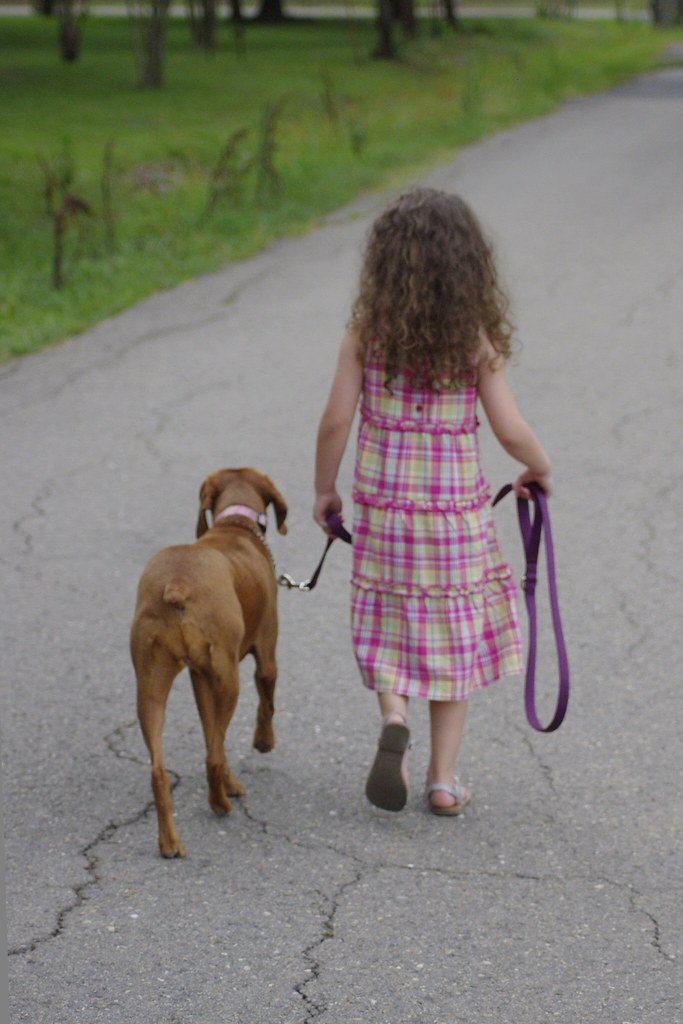
Here’s the thing: a few small missteps can slow your progress down quite a bit.
- Jerking or yanking the leash when a dog pulls, which can hurt the neck and build anxiety around walks
- Letting the dog pull toward something exciting, since that rewards the exact behavior you want to stop
- Training only in high-distraction places instead of starting somewhere calm
- Using a retractable leash during training, since it teaches tension equals more freedom
- Giving up after a few sessions instead of sticking with it for several weeks
Expert Tips
On top of that, a handful of small habits can make a real difference.
- Use small, high-value treats so your dog stays motivated for the whole walk
- Practice the same routine daily so your dog builds a real habit, not just one lesson
- Change direction randomly during walks to keep your dog checking in with you
- Praise calm walking often, not just perfect walking, since progress happens in stages
- Ask a certified positive-reinforcement trainer for help if pulling doesn’t improve after a few weeks
Frequently Asked Questions
How long does it take to stop a dog from pulling?
It varies a lot by dog. In fact, most owners see real progress within two to four weeks of daily practice. Even so, older dogs with long-standing habits may need longer. Consistency speeds things up more than anything else.
Is a harness or collar better for leash pulling in dogs?
A front-clip harness is generally easier on the body and gives more steering control. That said, a well-fitted flat collar works fine for dogs who already walk calmly. However, avoid slip or choke collars, since they can injure the neck.
Why does my dog pull more on some walks than others?
Excitement levels change based on smells, other animals, and pent-up energy from home. So, a dog who skipped exercise that day often pulls harder. Meanwhile, a tired, well-exercised dog is usually calmer on leash.
Can puppies start leash training right away?
Yes, and it’s actually the best time to start. In fact, puppies haven’t practiced pulling yet, so good habits form faster. Keep early sessions short, and always use positive reinforcement instead of corrections.
Summary
Leash pulling in dogs isn’t a sign of a “bad” dog. It’s just an untrained habit. Stopping when the leash tightens, and rewarding a loose one, teaches your dog a better pattern over time. So, add the right gear, stay patient, and keep sessions short and positive. Ultimately, walks stop feeling like a tug-of-war and start feeling like something you both enjoy.
References
PawLife is written and edited by a dog owner who researches every topic using veterinary and canine-behavior sources (AKC, AVMA, ASPCA) before publishing. We are not veterinarians — this article is for general information only and is not a substitute for professional veterinary advice. Always consult your vet about your dog's specific health or behavior needs. Learn more about us.