If you’re wondering how to socialize a puppy the right way, you’re already ahead of the game.
Those first few months shape how your dog sees the world for years to come. In fact, good early experiences build calm, confident adult dogs. With a simple plan, socialization can feel easy instead of overwhelming.
Why Socialization Matters So Much
Puppies go through a key learning window between about three and fourteen weeks old. During this time, new sights and sounds get filed away as normal. So, this window is the best time to introduce gentle, positive experiences.
Because of this, puppies who meet few people or places early often grow fearful later. That fear can turn into barking, hiding, or even snapping as adults. Generally speaking, prevention is far easier than fixing fear after it takes hold.
On top of that, socialization covers more than just other dogs. It includes people of all ages, other animals, and everyday sounds like vacuums or traffic. Even so, quality matters more than quantity in every single interaction.
A few calm, positive meetings beat a dozen chaotic ones. Here’s the thing: one bad scare can undo weeks of good progress. As a result, always let your puppy set the pace during new experiences.
Breed and personality play a role, too. Shy puppies need slower, gentler introductions than bold ones. That said, every puppy benefits from steady, well-managed exposure during this stage.
Ultimately, this early work pays off for your dog’s whole life. A well-socialized dog handles vet visits, new homes, and travel with far less stress. So, the effort you put in now saves headaches later.
Meanwhile, don’t worry if your puppy missed part of this window. Older puppies and even adult dogs can still learn with patience. First, though, expect socialization to take longer once the early window has passed.
Genetics set a starting point, but experience shapes the outcome. Two littermates can grow up very differently based on what they encounter early on. As a result, your daily choices matter more than breed alone.
For instance, a puppy who only sees family members may struggle at the vet later. On the other hand, a puppy exposed to gentle strangers usually stays calmer. In other words, variety builds flexibility for whatever life brings.
How to Socialize a Puppy Safely Around Vaccines
Learning how to socialize a puppy safely means balancing exposure with disease risk. Many vets recommend starting controlled socialization before the full vaccine series ends. However, this needs some careful planning around risk.
For safe timing guidance, our post on the puppy vaccination schedule covers exactly when each shot happens. Generally, ask your vet when your specific puppy can safely meet other dogs.
Until then, focus on low-risk settings instead. Carry your puppy through busy areas, or host visits with healthy, vaccinated adult dogs. That said, avoid dog parks and unknown dogs until fully vaccinated.
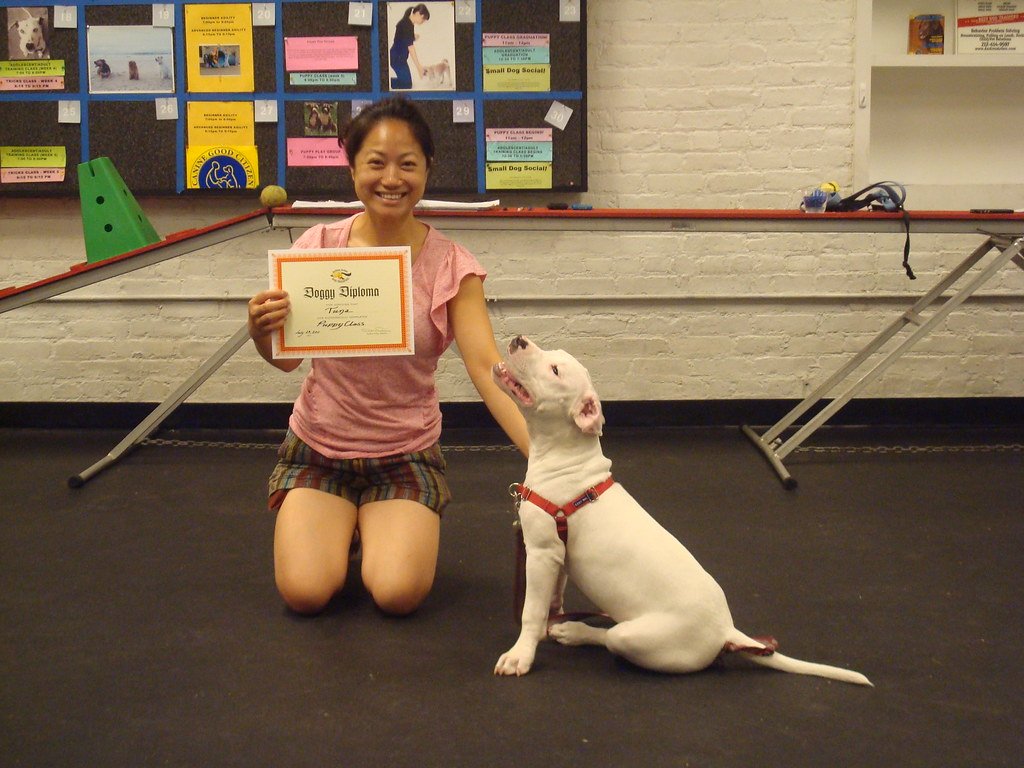
Puppy classes designed for young dogs are usually safe, too. Reputable trainers require proof of at least the first vaccines. Because of this, these classes offer controlled, low-risk socialization opportunities.
Home visitors count as socialization, too. Invite friends of different ages, sizes, and appearances over regularly. As a result, your puppy learns that new people are safe and predictable.
Sounds matter just as much as faces. Play recordings of thunderstorms, fireworks, or traffic at a low volume. Then pair each sound with treats and calm praise.
Even so, never force an interaction your puppy resists. Let them approach at their own pace, and reward calm curiosity. Ultimately, choice and comfort build trust faster than pressure ever could.
Car rides count as socialization, too, and they’re easy to overlook. Short, calm drives to fun places help prevent car anxiety later on. Because of this, try pairing early rides with treats and a favorite blanket.
Grooming handling deserves practice as well. Gently touch paws, ears, and teeth for a few seconds daily, then reward calmly. That said, keep every session short enough that your puppy stays relaxed throughout.
Step-by-Step Socialization Techniques That Work
Ready for a simple plan? These steps work well in almost any order. Most puppies show real progress within just a few weeks.
- Introduce one new person, place, or sound at a time, rather than everything at once.
- Keep first meetings short, calm, and always end them on a positive note.
- Pair every new experience with treats, praise, or a favorite toy.
- Watch body language closely, and pause if your puppy looks worried or stiff.
- Repeat pleasant experiences often, so lessons stick long after puppyhood.
To begin with, start in quiet spaces before moving to busier ones. Next, add mild distractions like other people walking by. Then gradually build up to livelier places, like a quiet park.
Meanwhile, keep a running list of experiences your puppy has had so far. A simple checklist helps you spot any gaps in exposure. As a result, you can plan future outings around what’s missing.
Our guide on crate training a puppy pairs well with this plan. A calm home base supports confidence everywhere else, too. Generally speaking, a secure puppy explores the world more easily.
For leash-based outings, our post on recall training for dogs covers useful skills for walks and parks. Even so, keep early walks short and low-pressure.
First, choose quiet times of day for early outings, like early morning walks. Next, gradually shift toward busier hours as your puppy grows more confident. Then celebrate small wins, like calmly passing a jogger or bike.
Consistency across the household helps here, too. Ask every family member to use the same calm, encouraging tone. Otherwise, your puppy may get confused by mixed reactions to the same situation.
Fear Periods, Common Triggers, and When to Get Help
Most puppies go through one or two fear periods during development. These typically happen around eight weeks and again near six months old. During these windows, even familiar things can suddenly seem scary.
Because of this, avoid big, overwhelming experiences during a fear period. A single scary event at the wrong time can create a lasting fear. Instead, stick to gentle, familiar activities until the phase passes.
Watch for signs like hiding, trembling, or refusing to move forward. However, mild caution around brand-new things is completely normal, too. Generally, true fear looks frozen or panicked, not just curious hesitation.
Puppies who never learn to be alone can struggle later, as well. For related signs and fixes, see our guide on separation anxiety in dogs. In fact, short, positive alone-time practice counts as socialization, too.
Some puppies need extra support beyond home practice. A certified trainer or puppy class can help with shy or anxious puppies. In that case, look for reward-based, force-free training methods only.
If fear seems severe or doesn’t improve with gentle exposure, talk to your veterinarian. A sudden change in behavior can sometimes point to an underlying health issue. So, ruling out pain or illness is always a smart first step.
Rescue and shelter puppies sometimes carry an unknown history. Because of this, extra patience and a slower pace often pay off. Generally, these puppies can still become confident, well-adjusted dogs with steady support.
First, celebrate every small success along the way. Then keep notes on what triggers worry, so you can plan around it. After that, revisit tricky situations again once your puppy feels more prepared.
Tip: Keep a small treat pouch handy on every outing, ready to reward calm, confident moments as they happen.
Common Mistakes
Even caring owners sometimes get socialization wrong. Here’s the thing: a few small missteps can slow your puppy’s progress.
- Flooding a puppy with too many new experiences at once instead of pacing things out.
- Forcing interactions with people or dogs your puppy is clearly avoiding.
- Skipping socialization entirely out of vaccine worries, instead of using safe alternatives.
- Ignoring body language signals like tucked tails, lip licking, or backing away.
- Stopping socialization once puppyhood ends, instead of continuing it into adulthood.
Expert Tips
On top of the basics, a few extra habits make socialization smoother. So, try weaving these into your weekly routine.
- Aim for short, varied outings several times a week instead of one long trip.
- Bring high-value treats your puppy only gets during socialization outings.
- Let nervous puppies watch from a safe distance before approaching anything new.
- Track wins and setbacks in a simple notebook or phone note.
- Enroll in a puppy class that uses positive, reward-based methods only.
Frequently Asked Questions
When should puppy socialization start?
Socialization can start as early as seven or eight weeks old, right after coming home. That said, always follow your veterinarian’s guidance around vaccines and safe exposure.
Is it safe to socialize before full vaccinations?
Yes, controlled socialization in low-risk settings is generally considered safe. However, avoid dog parks and unknown dogs until your puppy is fully vaccinated.
What if my puppy seems scared of everything?
Slow down and shrink the challenge, like watching from farther away. In that case, a certified trainer can help build a gentler, more gradual plan.
Does socialization ever really end?
Not entirely, since dogs benefit from ongoing new experiences throughout life. Even so, the early puppy months matter most for long-term confidence.
Summary
Learning how to socialize a puppy takes patience, timing, and a calm approach. Introduce new people, places, and sounds slowly, and always end on a positive note. Ultimately, this early effort builds a confident, resilient adult dog. So, stay consistent, and check in with your veterinarian or a certified trainer if anything feels beyond typical puppy behavior.
References
PawLife is written and edited by a dog owner who researches every topic using veterinary and canine-behavior sources (AKC, AVMA, ASPCA) before publishing. We are not veterinarians — this article is for general information only and is not a substitute for professional veterinary advice. Always consult your vet about your dog's specific health or behavior needs. Learn more about us.