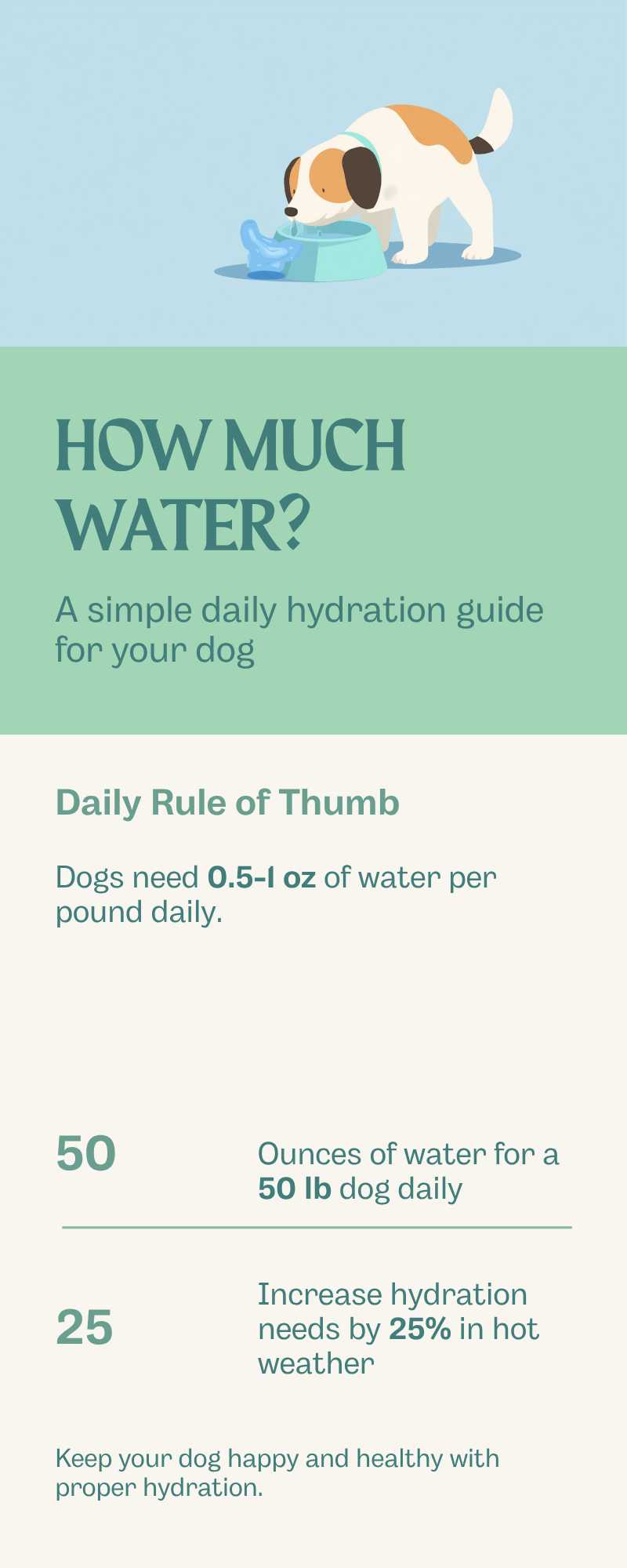
How much water should a dog drink each day? Most healthy dogs need about half an ounce to one ounce of water per pound of body weight.
That amount changes with weather, activity, and diet. On top of that, dogs on wet food often drink less than dogs on kibble.
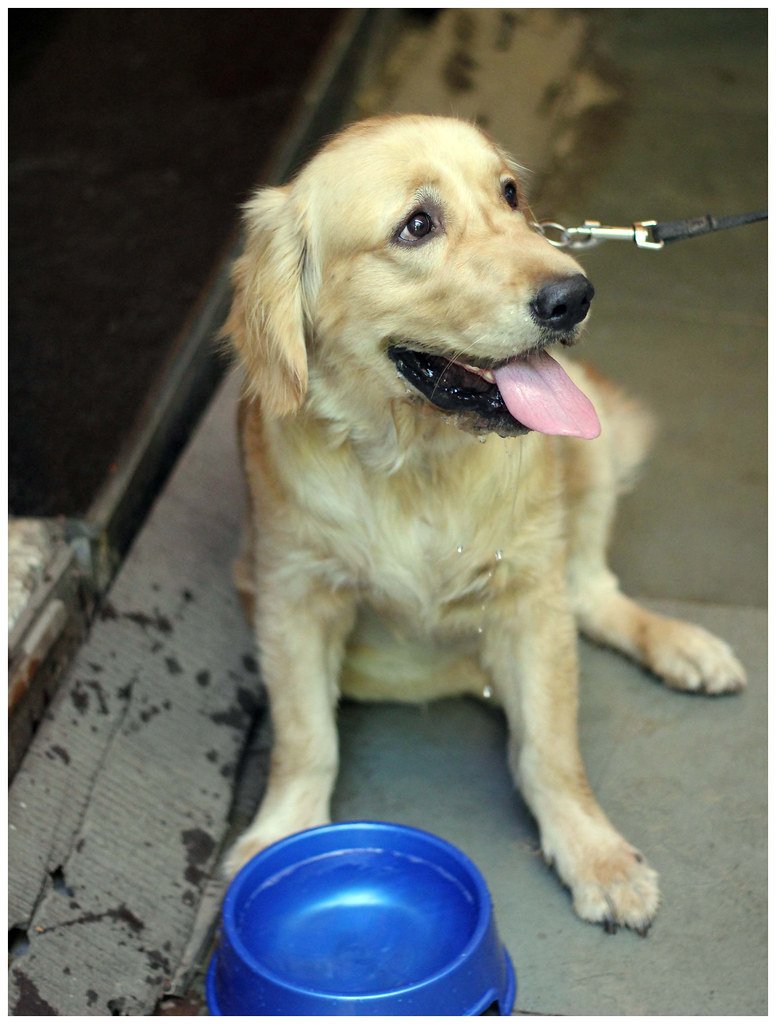
Why Water Matters So Much for Dogs
Water keeps almost every system in your dog’s body running. It helps with digestion, joint cushioning, and cooling the body down. Without enough water, organs have to work much harder. In fact, blood also needs enough fluid to carry oxygen and nutrients through the body.
Dogs can’t tell you when they feel thirsty. Instead, they show it through behavior, like hovering near the water bowl or drinking in short bursts. Because of this, it helps to watch habits, not just the bowl level.
Puppies and nursing mothers usually need more water for their size. Senior dogs, on the other hand, sometimes drink less simply because they move around less. Either way, fresh water should always be available. Chronic mild dehydration can quietly strain the kidneys over months or years. Because of this, building good habits now protects your dog’s long-term health.
How Much Water Should a Dog Drink Based on Size
A simple starting point is half an ounce to one ounce per pound of body weight each day. For instance, a 10-pound dog might drink around 5 to 10 ounces daily. Meanwhile, a 60-pound dog could need 30 to 60 ounces.
A Quick Reference Chart
- 10 lbs: 5-10 oz per day
- 25 lbs: 12.5-25 oz per day
- 50 lbs: 25-50 oz per day
- 75 lbs: 37.5-75 oz per day
- 100 lbs: 50-100 oz per day
These numbers are only general guides. For instance, a very active herding dog will drink more than a couch-loving senior of the same weight. As a result, your dog’s real needs may sit outside this range.
Certain factors push water needs higher no matter the season. Nursing mothers, working dogs, and dogs recovering from illness often need more than the standard range. Some medications increase thirst too. So, always mention any prescriptions to your vet.
Hot weather changes things too. In summer, water needs can climb by 25 percent or more. Meanwhile, dogs in cooler climates may drink noticeably less.
Signs Your Dog Isn’t Drinking Enough
Dehydration can sneak up fast, especially in warm weather. Here’s the thing: catching it early makes a real difference.
- Dry or sticky gums instead of moist ones
- Loss of skin elasticity, tested with a gentle skin-tent check
- Sunken-looking eyes
- Low energy or unusual sluggishness
- Thick, ropey saliva
- Reduced appetite
If you notice several of these signs at once, don’t wait it out. Contact your veterinarian right away, especially if your dog also seems disoriented or won’t get up.
Generally speaking, older dogs and dogs with kidney or heart conditions face higher risks from dehydration. If your dog falls into either group, ask your vet about the ideal water intake for their specific needs.
Tip: Press gently on your dog’s gums. If the color doesn’t return within about two seconds, treat that as a warning sign worth calling your vet about.
Heatstroke and dehydration often go hand in hand, so it helps to understand how they overlap. Our guide on heatstroke in dogs covers what to do if your dog overheats.
Easy Ways to Encourage Healthy Hydration
Some dogs just aren’t big drinkers by nature. Even so, small changes can nudge them toward better habits.
- Keep bowls clean and refill them at least twice a day
- Place extra water bowls in rooms your dog uses most
- Add a splash of low-sodium broth to plain water for picky drinkers
- Mix a little wet food into meals to boost overall fluid intake
- Bring a portable water bowl on walks and road trips
- Consider a pet fountain, since many dogs prefer moving water
Diet plays a bigger role in hydration than most owners realize. Dogs carrying extra weight often move less and drink less too, which is one more reason weight matters. Our post on how to tell if your dog is overweight walks through the warning signs.
Traveling or visiting the vet can throw off normal drinking habits for a bit. Offer familiar bowls and water when you can, since new places sometimes make dogs hesitant to drink. Even so, a little patience usually gets things back to normal.
Common Mistakes
- Leaving out a single bowl for a multi-dog household, which can limit access
- Assuming a full bowl in the morning means your dog drank enough all day
- Ignoring sudden increases in thirst, which can signal an underlying health issue
- Switching food suddenly without watching how it affects water intake
- Letting water sit for days without a fresh refill
- Forgetting extra water on hot days or long car rides
Expert Tips
- Track your dog’s normal water intake so you notice changes faster
- Choose wide, shallow bowls for flat-faced breeds to make drinking easier
- Freeze small water-based treats for extra hydration during summer months
- Bring water on every walk once temperatures climb above 70°F
- Ask your vet about ideal intake if your dog has kidney or heart concerns
Frequently Asked Questions
Is it normal for a dog to drink a lot of water suddenly?
A sudden increase isn’t usually normal. In fact, it can point to conditions like kidney trouble or diabetes. Because of this, a sudden change in thirst is worth a vet visit.
Can a dog drink too much water?
Yes, though it’s uncommon in healthy dogs. Drinking huge amounts quickly, especially after intense exercise, can occasionally cause a dangerous imbalance. So, it’s smart to offer water in smaller amounts after hard play.
Why does my dog barely drink any water?
Some dogs get most of their fluid from wet food. Even so, very low water intake alongside low energy or poor appetite deserves a check-up. Your vet can rule out anything serious.
Do puppies need more water than adult dogs?
Generally speaking, yes, relative to their size. Puppies have smaller bodies but higher activity and growth needs. As a result, they can dehydrate faster than adult dogs.
Summary
Most dogs need roughly half an ounce to one ounce of water per pound of body weight every day. That said, weather, activity, diet, and age all shift the exact number. Watching your dog’s habits matters more than watching the bowl.
Dry gums, low energy, and sunken eyes are signs worth taking seriously. When in doubt, a quick call to your vet is always the safer choice. Ultimately, steady access to clean water is one of the simplest ways to support your dog’s health.
References
PawLife is written and edited by a dog owner who researches every topic using veterinary and canine-behavior sources (AKC, AVMA, ASPCA) before publishing. We are not veterinarians — this article is for general information only and is not a substitute for professional veterinary advice. Always consult your vet about your dog's specific health or behavior needs. Learn more about us.